Drive More SEO Web Traffic: Strategies That Actually Work
Advanced Keyword Research Techniques
Most businesses are sitting on a goldmine of untapped SEO web traffic, and it’s not just about picking the right keywords. In fact, a staggering 70% of all web searches are long-tail keywords. If you’re still clinging to broad terms like shoes or travel, it’s time to rethink your strategy.
Diving Deep with Long-Tail Keywords
Long-tail keywords are the unsung heroes of SEO web traffic. For example, instead of targeting running shoes, consider best running shoes for flat feet. This not only narrows your competition but also attracts highly motivated buyers. A local gym recently shifted its focus from generic fitness terms to specific phrases like personal trainer for weight loss in Seattle, resulting in a whopping 300% increase in qualified leads.
Long-tail keywords can drive up to 80% of your organic search traffic!
Utilizing Keyword Gap Analysis
Keyword gap analysis is like putting on a pair of SEO glasses that reveal opportunities hidden from plain sight. By comparing your site’s keyword rankings against competitors, you can uncover gaps where they’re succeeding and you’re not. For instance, if a rival yoga studio ranks well for yoga for beginners, but you don’t show up at all, that’s an opportunity begging for attention.
- Ahrefs and SEMrush are great tools for performing keyword gap analysis.
- SpyFu allows you to see what keywords competitors pay for in ads.
- 'Moz's Keyword Explorer' helps identify potential keyword opportunities based on search volume and difficulty.
People Also Ask Insights
People Also Ask (PAA) boxes on Google can be a treasure trove of keyword ideas. These boxes display related questions that users frequently search for, giving you direct insight into what your audience is curious about. If you're running an online bakery, seeing questions like What is the best flour for baking bread? can inspire blog posts that not only attract traffic but also establish your authority in the niche.
Search Intent: The Key to Relevance
Search intent is more than just a buzzword; it’s the backbone of effective keyword research. Understanding whether users are looking to buy, learn, or compare will shape how you create content around those keywords. A local coffee shop might find that people searching for best espresso machine under $100 want product reviews rather than brewing tips. Tailoring content accordingly will align with user expectations and drive more targeted SEO web traffic.
On-Page SEO Optimization Beyond Basics
Consider this: nearly 90% of all web pages never receive any organic traffic from Google. That’s right—your carefully crafted blog post could be languishing in obscurity while your competitors bask in the glory of SEO web traffic. It’s time to roll up your sleeves and dive into the nitty-gritty of on-page SEO optimization.
Optimizing Title Tags and Meta Descriptions
Title tags are like the flashy storefront of your website; they need to grab attention and entice clicks. A well-crafted title tag should include your primary keyword, ideally at the beginning, and remain under 60 characters to avoid getting cut off in search results. For instance, instead of a bland title like Our Services, try something more engaging like Transform Your Business with Expert SEO Web Traffic Strategies!.
Equally important is the meta description, which serves as a mini-ad for your page. This snippet should be around 155 characters, summarize the content effectively, and include a call to action. Think of it as the elevator pitch for your webpage—make it compelling enough that users can’t resist clicking through.
The Power of Internal Linking
Internal linking is often overlooked but can significantly boost your SEO web traffic by helping search engines understand the structure and hierarchy of your content. By linking relevant articles within your site, you guide visitors (and Google) through related topics, keeping them engaged longer. For example, if you have a blog post about SEO Best Practices, link it to another post on Content Marketing Strategies. This not only enhances user experience but also distributes page authority throughout your site.
Internal links can increase the average time spent on site by up to 40%!
Using Header Tags Strategically
H1 tags are essential for indicating what your page is about, but don’t stop there! Use H2 and H3 tags to break up content into digestible sections. This not only improves readability but also helps search engines understand how different parts of your content relate to each other. A well-structured article with clear headers invites both users and search bots to engage more deeply.
Alt Text for Images: Not Just for Accessibility
Alt text isn’t just a nice-to-have; it’s crucial for both accessibility and SEO web traffic. By describing images using relevant keywords, you provide context that helps search engines index them properly—and let’s not forget about users who rely on screen readers. Instead of using generic terms like image1.jpg, describe what’s happening: A delicious chocolate cake topped with fresh strawberries. Not only does this enhance user experience, but it also creates additional opportunities for keyword ranking.
Mastering these on-page elements sets a strong foundation for driving organic traffic. Remember that even small tweaks can lead to significant changes in visibility and engagement over time.
Content Quality and Relevance Assessment
It’s no surprise that content is the beating heart of SEO web traffic, but here’s the kicker: even the best keywords can’t save subpar content. Think about it—would you trust a restaurant with a mouthwatering menu if the food tasted like cardboard? Exactly. The same principle applies to your website.
Consider a mid-sized e-commerce store specializing in eco-friendly products. They’ve optimized their titles and meta descriptions beautifully, but their blog posts are riddled with fluff and outdated information. As a result, they’re not just missing out on organic traffic; they’re also losing potential customers who bounce away in search of better content.
The Quality-SEO Web Traffic Connection
Google’s algorithms prioritize high-quality, relevant content that meets user needs. This means your articles should not only be well-written but also genuinely helpful. A study by HubSpot found that companies producing quality content see a staggering 13 times more ROI compared to those who don’t prioritize it. That’s a lot of green for something that starts with good writing!
- Focus on providing actionable insights rather than general advice.
- Use data and statistics to back up your claims.
- Ensure your content answers common questions related to the topic.
Assessing Relevance: Are You Speaking Their Language?
Relevance isn’t just a buzzword; it’s about aligning your content with what users are genuinely searching for. Take our eco-friendly e-commerce store again: if their blog posts focus on broad environmental topics instead of specific product benefits, they risk alienating their audience. Instead, they should dive into detailed guides like Top 10 Sustainable Products for Your Home or How to Reduce Plastic Waste with Eco-Friendly Alternatives.
Content relevance can increase user engagement by up to 50%!
Quality Over Quantity—A Common Misconception
Quality over quantity is often thrown around like confetti at a wedding, but what does it really mean? It doesn’t mean you should publish one stellar post every six months while neglecting regular updates. Instead, aim for consistency without sacrificing depth. A blog post that is both informative and engaging will outperform ten mediocre ones any day.
The Content Audit: Your Best Friend
How do you know if your content is hitting the mark? Enter the content audit—a systematic review of all published material on your site. This process involves checking for outdated information, identifying high-performing posts, and determining gaps where new content could thrive.
- 1. Review existing articles for relevance and accuracy.
- 2. Analyze performance metrics like page views and bounce rates.
- 3. Identify opportunities for updating or expanding existing posts.
Performing regular audits ensures you’re always putting your best foot forward in terms of quality while keeping pace with changing user interests.
Ultimately, focusing on both quality and relevance isn’t just about appeasing search engines—it’s about building trust with your audience. When users find what they’re looking for in an engaging format, they’re more likely to stick around—and that translates directly into increased SEO web traffic.
Technical SEO Considerations for Improved Performance
Imagine pouring your heart and soul into a website, only to discover that it’s as visible as a needle in a haystack. A staggering 75% of users never scroll past the first page of search results. If your site isn't optimized technically, you could be missing out on a treasure trove of SEO web traffic.
Site Speed: The Need for Speed
Site speed isn’t just a nice-to-have; it’s a must-have. Google considers page load time as a ranking factor, and slow sites can lead to higher bounce rates. For instance, an online clothing retailer noticed that every second of delay in page load time resulted in a 7% drop in conversions. Yikes! You wouldn’t want your customers abandoning their carts because they’re stuck waiting for your site to load.
To boost speed, consider implementing techniques like image optimization, minimizing HTTP requests, and leveraging browser caching. Tools like Google PageSpeed Insights can help you identify specific areas that need attention.
Mobile Friendliness: Not Optional Anymore
With over half of all web traffic coming from mobile devices, having a mobile-friendly site isn’t just important—it’s essential. Google’s mobile-first indexing means that if your site doesn’t perform well on mobile, you’re jeopardizing your SEO web traffic. Think about it: would you want to navigate through tiny buttons and cramped text? Neither do your visitors!
Ensure your website is responsive by using flexible grids and layouts that adapt to different screen sizes. Test your site using Google's Mobile-Friendly Test tool to see how well it performs.
Structured Data: The Secret Sauce
What’s structured data? you might ask. It’s the behind-the-scenes magic that helps search engines understand the context of your content better. Implementing schema markup can improve how search engines read your pages and display rich snippets in search results—think star ratings or product prices right on the search page.
According to Google, sites using structured data are 30% more likely to achieve higher rankings. That’s not just fluff; it’s an opportunity! Use tools like Schema.org to implement relevant markup for articles, products, reviews, and more.
Technical SEO is the backbone of any successful SEO strategy—ignore it at your peril!
The Importance of SSL Certificates
Is my site secure? It’s not just about peace of mind anymore; it affects your rankings too! Google favors HTTPS sites over HTTP ones because security is paramount in today’s digital landscape. If users see that little padlock icon in their browser bar, they’re more likely to trust you—and trust leads to conversions.
Building a Robust Backlink Profile
A staggering 93% of all online experiences begin with a search engine, and backlinks are the golden ticket to climbing those search result ranks. If your website is like a ship lost at sea, backlinks are the lighthouses guiding users to your harbor of SEO web traffic.
Imagine running a local bakery that’s renowned for its artisanal sourdough but remains invisible online. You post mouthwatering photos on Instagram, yet your website languishes in obscurity. Enter backlinks—the magic potion that can transform your bakery from an unseen gem into the talk of the town. When reputable food bloggers link to your site, they not only validate your expertise but also direct their followers straight to your digital doorstep.
Why Backlinks Matter
Backlinks are like votes of confidence from other websites. The more high-quality sites that link to you, the more Google sees you as an authority in your niche. Think of it this way: if you were looking for a new dentist and saw that they had rave reviews from well-respected health blogs, you'd probably feel more inclined to book an appointment. That’s exactly how backlinks work—they build trust with both users and search engines.
Types of Backlinks You Need
- Natural Backlinks: These are earned naturally when other sites find your content valuable and link to it without any prompting.
- Manual Backlinks: Created through deliberate outreach efforts—think guest blogging or requesting links from partners.
- Self-Created Backlinks: These come from adding links in forums or comments, but tread carefully; overdoing it can look spammy.
Natural backlinks should be your primary focus. They signal genuine interest in your content and can significantly boost your SEO web traffic.
No Follow vs Do Follow Links
Not all backlinks are created equal. Do follow links pass on authority and help improve rankings, while no follow links don’t contribute directly to SEO but can still drive traffic and brand awareness. Think of them as different routes on a map—some lead straight to the destination (your rankings), while others might take you through scenic views (traffic).
Focus on acquiring do follow links for maximum impact on SEO web traffic!
Strategies for Building Quality Backlinks
Start by creating high-quality content that others want to link to—think infographics, research studies, or comprehensive guides. A local gym could create a detailed e-book on fitness myths; when shared online, it could attract links from health blogs eager to share valuable insights.
- Reach out to industry influencers or bloggers who might find value in linking back to your content.
- Participate in relevant online communities and forums where you can share insights and include links when appropriate.
- Leverage social media platforms by sharing your content widely; sometimes a tweet can lead to unexpected backlinks!
Utilizing Analytics for Continuous Improvement
Picture this: a digital marketing agency that thought they were nailing their SEO web traffic strategy, only to find out their best-performing blog post was barely getting any clicks. After diving into analytics, they discovered that users were bouncing off the page faster than a cat on a hot tin roof. What went wrong? It turns out, the content was outdated and didn’t align with current search intent.
This scenario is far from unique. Many businesses invest time and resources into creating content but neglect to monitor how it performs over time. The reality is that analytics should be your best friend in the quest for continuous improvement. By regularly reviewing your data, you can uncover insights that lead to actionable changes.
Key Metrics to Track
So, what should you be looking at? Here are some key metrics that can guide your SEO web traffic strategy:
- Organic Traffic: The number of visitors coming from search engines.
- Bounce Rate: The percentage of visitors who leave after viewing only one page.
- Average Session Duration: How long users stay on your site.
- Conversion Rate: The percentage of visitors who complete a desired action, like signing up or making a purchase.
A high bounce rate might indicate that your content isn’t meeting user expectations.
Using Analytics Tools Effectively
Google Analytics is the go-to tool for many marketers, but it can feel overwhelming at first. Start by setting up goals to track conversions and create custom reports focusing on the metrics mentioned above. For instance, if you notice that certain blog posts are consistently bringing in organic traffic while others are floundering, it’s time to do some detective work.
Look at what’s working—are those posts optimized for specific keywords? Do they answer common questions? Use this information to replicate their success across other content pieces.
A/B Testing: Your Secret Weapon
A/B testing is like having a crystal ball for your SEO strategy. Want to know if changing the headline or tweaking the call-to-action could boost conversions? Test it! By comparing two versions of a webpage or blog post, you can see which one resonates more with your audience. For example, an online retailer might find that a simple change from Buy Now to Get Yours Today! leads to significantly higher click-through rates.
The beauty of A/B testing is its ability to provide real-time feedback on what works and what doesn’t—allowing you to adapt quickly and effectively.
Analytics isn’t just about numbers; it's about storytelling. Each metric tells a story about user behavior and preferences. When you embrace this mindset, you're not just reacting—you're proactively shaping your content strategy based on solid evidence.
In conclusion, utilizing analytics for continuous improvement isn't just an option—it's essential for driving more SEO web traffic effectively. So take a deep dive into those numbers and let them guide you toward better engagement and higher conversions!
Social Media Integration with SEO Strategy
Let’s face it: if you’re still treating social media as a separate entity from your SEO strategy, you’re missing a trick. A stunning 54% of social browsers use social media to research products, and if your brand isn’t there, you might as well be invisible. Think about it—how often do you scroll through Instagram or Twitter while considering your next purchase? It’s a vital touchpoint that can drive significant SEO web traffic.
The Power of Social Signals
Social signals—likes, shares, and comments—are more than just vanity metrics; they can influence your search rankings. Google has hinted that these interactions can help determine the relevance and authority of your content. For instance, when a local restaurant posts mouthwatering photos of its new dishes on Facebook and garners hundreds of likes and shares, it’s not just boosting its visibility on social media; it could also enhance its chances of ranking higher on Google for related searches.
Imagine a small boutique clothing store that actively engages with its followers on platforms like Instagram. By posting stylish outfit ideas and encouraging user-generated content with hashtags, it creates a community around its brand. This not only drives traffic to their website but also builds trust and authority in the fashion niche.
Crafting Shareable Content
Creating content that resonates is key to driving both social media engagement and SEO web traffic. Infographics, how-to guides, and videos are particularly shareable formats that can attract attention across platforms. For example, a travel agency could produce an engaging video series showcasing hidden gems in popular destinations. Not only would this entice viewers to share the content, but it would also encourage backlinks from travel blogs eager to feature useful resources.
- Use eye-catching visuals to grab attention.
- Incorporate trending topics or hashtags.
- Encourage user interaction through polls or questions.
Engaging content is more likely to be shared—and shared content equals more backlinks!
Cross-Promotion: A Match Made in Heaven
Cross-promotion might sound like marketing jargon, but it’s simply leveraging your social channels to amplify your SEO efforts and vice versa. Share links to your latest blog posts on Twitter or Facebook; this not only drives traffic directly but also signals to search engines that people find your content valuable enough to share.
So what’s the takeaway? Don’t let social media exist in a vacuum; integrate it into your overall SEO strategy for maximum impact. Start by creating shareable content, engaging with followers authentically, and cross-promoting across channels. Your future self (and website analytics) will thank you!
Local SEO Strategies for Targeted Traffic Generation
Local SEO is like the secret sauce that can turn your quaint little coffee shop into the go-to caffeine haven in your neighborhood. Consider this: 46% of all Google searches are seeking local information. If you’re not optimizing for local SEO, you might as well be shouting into a void.
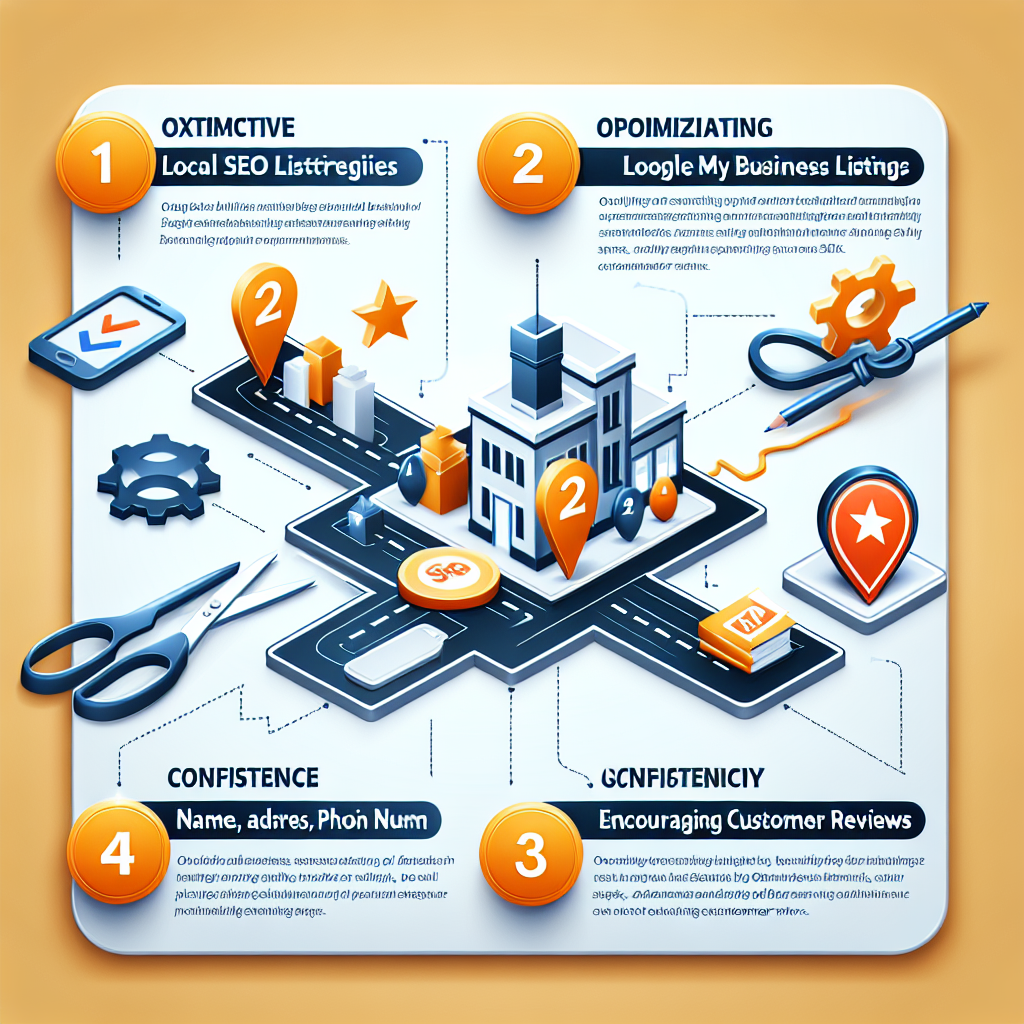
Claim and Optimize Your Google My Business Listing
Your Google My Business (GMB) listing is your digital storefront. Claim it, verify it, and give it some love! Fill out every section—address, phone number, hours of operation, and even photos. A well-optimized GMB listing can boost your local rankings significantly. For example, a family-owned Italian restaurant in town saw a 50% increase in foot traffic after they updated their GMB with enticing photos of their signature dishes and accurate operating hours.
- Encourage happy customers to leave positive reviews.
- Respond to all reviews—good or bad—to show engagement.
- Regularly update your posts with special offers or events.
Optimize for Local Keywords
Best coffee shop near me isn’t just a phrase; it’s a lifeline for local businesses. Incorporate local keywords into your website content, meta descriptions, and title tags. Think about what locals are searching for—include neighborhood names or landmarks that are relevant to your business.
Local keywords can increase click-through rates by up to 25%.
Leverage Local Link Building
Link building is like getting endorsements from trusted sources; the more reputable sites linking back to you, the better! Connect with local bloggers or news outlets to feature your business. For instance, if you run a bakery, offer to host a tasting event for food bloggers in exchange for coverage on their platforms. This not only boosts your backlinks but also increases brand visibility within the community.
Mobile Optimization: The Local Search Game Changer
{
“@context”: “https://schema.org”,
“@type”: “BlogPosting”,
“mainEntityOfPage”: {
“@type”: “WebPage”,
“@id”: “https://magicblogs.ai/boost-seo-web-traffic-strategies”
},
“headline”: “Boost SEO Web Traffic: Proven Strategies That Work”,
“description”: “Discover effective strategies to drive more SEO web traffic. Learn proven techniques to boost your site’s visibility and attract more visitors.”,
“image”: “https://magicblogs.ai/images/seo-strategies.jpg”,
“author”: {
“@type”: “Person”,
“name”: “Elisa”
},
“publisher”: {
“@type”: “Organization”,
“name”: “Magicblogs”,
“logo”: {
“@type”: “ImageObject”,
“url”: “https://magicblogs.ai/logo.png”
}
},
“datePublished”: “2023-10-15”,
“dateModified”: “2023-10-15”
}
article blockquote,article ol li,article p,article ul li{font-family:inherit;font-size:18px}.featuredimage{height:300px;overflow:hidden;position:relative;margin-top:20px;margin-bottom:20px}.featuredimage img{width:100%;height:100%;top:50%;left:50%;object-fit:cover;position:absolute;transform:translate(-50%,-50%)}article p{line-height:30px}article ol li,article ul li{line-height:30px;margin-bottom:15px}article blockquote{border-left:4px solid #ccc;font-style:italic;background-color:#f8f9fa;padding:20px;border-radius:5px;margin:15px 10px}article div.info-box{background-color:#fff9db;padding:20px;border-radius:5px;margin:15px 0;border:1px solid #efe496}article table{margin:15px 0;padding:10px;border:1px solid #ccc}article div.info-box p{margin-bottom:0;margin-top:0}article span.highlight{background-color:#f8f9fb;padding:2px 5px;border-radius:5px}article div.info-box span.highlight{background:0 0!important;padding:0;border-radius:0}article img{max-width:100%;margin:20px 0}