Automated SEO: How AI is Revolutionizing Search Engine Optimization
The Evolution of SEO Practices Through Automation
Imagine waking up one morning to find that your website has dropped from the first page of search results to the depths of page three. Ouch! This is a common nightmare for digital marketers, especially in an era where SEO practices are evolving faster than a cat video can go viral.
Automated SEO is not just a buzzword; it’s a game changer. According to recent studies, over 70% of marketers believe that automation will significantly impact their SEO strategies within the next two years. If you’re not already leveraging automated solutions, you might as well be using dial-up in a fiber-optic world.
From Manual Labor to Machine Learning
Gone are the days when SEO was all about painstaking keyword research and back-breaking link building. In the early 2000s, marketers relied heavily on manual processes that could take weeks or even months to yield results. Enter automation: tools like SEMrush and Ahrefs began to emerge, simplifying keyword tracking and backlink analysis. Fast forward to today, and we have AI-driven platforms capable of analyzing millions of data points in seconds.
Now consider this: a mid-sized e-commerce business selling eco-friendly products was struggling with its online visibility. By adopting automated SEO tools, they were able to optimize their content strategy based on real-time data insights rather than guesswork. The result? A staggering 150% increase in organic traffic within six months!
The Rise of AI-Driven Insights
Data is the new oil, they say, but what good is oil without a refinery? Automated SEO takes raw data from user behavior and search trends and refines it into actionable insights. Tools powered by machine learning can predict which keywords will perform best based on historical performance and current trends.
Important takeaway: Automated SEO not only saves time but also enhances accuracy in targeting potential customers.
But wait! Isn’t there a risk of over-automation? you might ask. Sure, if you let machines run wild without any human oversight, it could lead to some questionable decisions—like optimizing for keywords that are trending but irrelevant to your brand. It’s crucial to strike a balance between human creativity and machine efficiency.
Avoiding Common Pitfalls
Set it and forget it might work for rotisserie chicken, but not for your automated SEO strategy. Regularly monitoring performance metrics is essential; otherwise, you risk missing out on shifts in algorithms or changes in consumer behavior.
- Ignoring updates from search engines can lead to outdated strategies.
- Over-reliance on automation can stifle creativity.
- Failing to adapt content based on analytics can hinder growth.
In conclusion, as automated SEO continues its rapid evolution, staying informed about these changes will be pivotal for marketers aiming for success. The next step? Evaluate your current strategy—what aspects could use an upgrade through automation?
Imagine waking up one morning to find that your website has dropped from the first page of search results to the depths of page three. Ouch! This is a common nightmare for digital marketers, especially in an era where SEO practices are evolving faster than a cat video can go viral.
Automated SEO is not just a buzzword; it’s a game changer. According to recent studies, over 70% of marketers believe that automation will significantly impact their SEO strategies within the next two years. If you’re not already leveraging automated solutions, you might as well be using dial-up in a fiber-optic world.
From Manual Labor to Machine Learning
Gone are the days when SEO was all about painstaking keyword research and back-breaking link building. In the early 2000s, marketers relied heavily on manual processes that could take weeks or even months to yield results. Enter automation: tools like SEMrush and Ahrefs began to emerge, simplifying keyword tracking and backlink analysis. Fast forward to today, and we have AI-driven platforms capable of analyzing millions of data points in seconds.
Now consider this: a mid-sized e-commerce business selling eco-friendly products was struggling with its online visibility. By adopting automated SEO tools, they were able to optimize their content strategy based on real-time data insights rather than guesswork. The result? A staggering 150% increase in organic traffic within six months!
The Rise of AI-Driven Insights
Data is the new oil, they say, but what good is oil without a refinery? Automated SEO takes raw data from user behavior and search trends and refines it into actionable insights. Tools powered by machine learning can predict which keywords will perform best based on historical performance and current trends.
Important takeaway: Automated SEO not only saves time but also enhances accuracy in targeting potential customers.
But wait! Isn’t there a risk of over-automation? you might ask. Sure, if you let machines run wild without any human oversight, it could lead to some questionable decisions—like optimizing for keywords that are trending but irrelevant to your brand. It’s crucial to strike a balance between human creativity and machine efficiency.
Avoiding Common Pitfalls
Set it and forget it might work for rotisserie chicken, but not for your automated SEO strategy. Regularly monitoring performance metrics is essential; otherwise, you risk missing out on shifts in algorithms or changes in consumer behavior.
- Ignoring updates from search engines can lead to outdated strategies.
- Over-reliance on automation can stifle creativity.
- Failing to adapt content based on analytics can hinder growth.
In conclusion, as automated SEO continues its rapid evolution, staying informed about these changes will be pivotal for marketers aiming for success. The next step? Evaluate your current strategy—what aspects could use an upgrade through automation?
AI-Powered Tools for Keyword Research and Optimization
Let’s face it: keyword research can feel like searching for a needle in a haystack—if the haystack was on fire and the needle was made of gold. But with AI-powered tools, that search has transformed from a Herculean task into a walk in the park. These tools don’t just help you find keywords; they analyze trends, predict shifts, and optimize your strategy in real-time.
The Magic of AI in Keyword Discovery
Imagine you’re running a niche online bookstore specializing in rare editions. Traditionally, you’d spend hours brainstorming keywords like rare books or first editions. But with AI tools like Clearscope or MarketMuse, you can input your primary keyword and watch as they generate a list of related terms based on current search data. These tools dive deep into user intent, helping you uncover hidden gems that might not have crossed your mind.
- Long-tail variations that attract highly targeted traffic.
- Related questions users are asking, which can inspire blog topics.
- Competitor keywords that are driving traffic to similar sites.
Optimization Made Effortless
Once you've got your list of keywords, the real fun begins: optimization! AI-powered tools go beyond mere suggestions; they offer actionable insights on how to weave those keywords seamlessly into your content. For instance, Surfer SEO analyzes your content against top-ranking pages and provides recommendations on keyword density, headings structure, and even internal linking strategies.
Pro tip: Use these insights to create content that not only ranks but also resonates with readers.
But what about voice search? I hear you ask. Great question! With the rise of voice-activated assistants like Siri and Alexa, optimizing for conversational queries is crucial. Tools like AnswerThePublic can help identify natural language phrases people use when searching—essentially translating keyword research into everyday speech.
The Human Touch Still Matters
Surely we can let the machines do all the work now? Not quite! While these tools offer incredible insights, human intuition is irreplaceable. A savvy marketer knows when to prioritize creativity over strict adherence to data recommendations—like using humor or storytelling to make an emotional connection with readers.
For example, consider a local bakery wanting to rank for artisan bread. An AI tool might suggest optimizing for technical terms like sourdough fermentation process, but a human touch could craft an engaging story about the bakery's history and tradition—something that truly resonates with customers.
In summary, automated SEO is revolutionizing how we approach keyword research and optimization. By leveraging AI-powered tools, marketers can uncover valuable insights while maintaining their unique voice. So next time you're knee-deep in keyword planning, remember: let technology do the heavy lifting while you focus on creating captivating content!
Let’s face it: keyword research can feel like searching for a needle in a haystack—if the haystack was on fire and the needle was made of gold. But with AI-powered tools, that search has transformed from a Herculean task into a walk in the park. These tools don’t just help you find keywords; they analyze trends, predict shifts, and optimize your strategy in real-time.
The Magic of AI in Keyword Discovery
Imagine you’re running a niche online bookstore specializing in rare editions. Traditionally, you’d spend hours brainstorming keywords like rare books or first editions. But with AI tools like Clearscope or MarketMuse, you can input your primary keyword and watch as they generate a list of related terms based on current search data. These tools dive deep into user intent, helping you uncover hidden gems that might not have crossed your mind.
- Long-tail variations that attract highly targeted traffic.
- Related questions users are asking, which can inspire blog topics.
- Competitor keywords that are driving traffic to similar sites.
Optimization Made Effortless
Once you've got your list of keywords, the real fun begins: optimization! AI-powered tools go beyond mere suggestions; they offer actionable insights on how to weave those keywords seamlessly into your content. For instance, Surfer SEO analyzes your content against top-ranking pages and provides recommendations on keyword density, headings structure, and even internal linking strategies.
Pro tip: Use these insights to create content that not only ranks but also resonates with readers.
But what about voice search? I hear you ask. Great question! With the rise of voice-activated assistants like Siri and Alexa, optimizing for conversational queries is crucial. Tools like AnswerThePublic can help identify natural language phrases people use when searching—essentially translating keyword research into everyday speech.
The Human Touch Still Matters
Surely we can let the machines do all the work now? Not quite! While these tools offer incredible insights, human intuition is irreplaceable. A savvy marketer knows when to prioritize creativity over strict adherence to data recommendations—like using humor or storytelling to make an emotional connection with readers.
For example, consider a local bakery wanting to rank for artisan bread. An AI tool might suggest optimizing for technical terms like sourdough fermentation process, but a human touch could craft an engaging story about the bakery's history and tradition—something that truly resonates with customers.
In summary, automated SEO is revolutionizing how we approach keyword research and optimization. By leveraging AI-powered tools, marketers can uncover valuable insights while maintaining their unique voice. So next time you're knee-deep in keyword planning, remember: let technology do the heavy lifting while you focus on creating captivating content!
Content Generation and Curation Using AI
Imagine trying to keep up with the content demands of a bustling online marketplace, where fresh articles are expected daily. For many businesses, this is the reality—and it can feel like being chased by a relentless swarm of content-hungry bees. Enter AI: the superhero you didn’t know you needed.
Recent surveys show that over 60% of marketers are now using AI for content generation and curation, and it’s no wonder why. Automated SEO tools can whip up blog posts, social media updates, and even product descriptions faster than you can say SEO optimization.
The Art of Automated Content Creation
Let’s take a look at a hypothetical scenario: a small fitness studio with multiple locations is struggling to maintain an engaging online presence. With limited resources, they found it challenging to produce quality content consistently. By leveraging an AI-driven blogging platform like MagicBlog.ai, they automated their content generation process. They simply input their core keywords—like yoga for beginners or high-intensity interval training—and watched as the platform produced optimized articles tailored to attract their target audience.
Key takeaway: Automating content creation doesn’t just save time; it also ensures that your messaging remains consistent and relevant.
These tools analyze trending topics and popular searches in real-time, ensuring that your content isn’t just filler but rather valuable information that resonates with readers. For instance, if the fitness studio's blog starts gaining traction from posts about at-home workouts during lockdowns, the AI can suggest similar topics to keep that momentum going.
Curating Content Like a Pro
Content curation is another area where AI shines brighter than your favorite influencer’s ring light. Instead of spending hours sifting through articles and videos to find relevant information for your audience, automated SEO tools can aggregate high-quality content based on specific keywords or themes. This means you can share insightful articles from reputable sources while positioning yourself as an industry thought leader.
- Automated curation allows you to stay updated on industry trends without lifting a finger.
- You can easily share curated content across your social media platforms to engage followers.
- AI tools help ensure that curated pieces align with your brand voice and values.
Imagine trying to keep up with the content demands of a bustling online marketplace, where fresh articles are expected daily. For many businesses, this is the reality—and it can feel like being chased by a relentless swarm of content-hungry bees. Enter AI: the superhero you didn’t know you needed.
Recent surveys show that over 60% of marketers are now using AI for content generation and curation, and it’s no wonder why. Automated SEO tools can whip up blog posts, social media updates, and even product descriptions faster than you can say SEO optimization.
The Art of Automated Content Creation
Let’s take a look at a hypothetical scenario: a small fitness studio with multiple locations is struggling to maintain an engaging online presence. With limited resources, they found it challenging to produce quality content consistently. By leveraging an AI-driven blogging platform like MagicBlog.ai, they automated their content generation process. They simply input their core keywords—like yoga for beginners or high-intensity interval training—and watched as the platform produced optimized articles tailored to attract their target audience.
Key takeaway: Automating content creation doesn’t just save time; it also ensures that your messaging remains consistent and relevant.
These tools analyze trending topics and popular searches in real-time, ensuring that your content isn’t just filler but rather valuable information that resonates with readers. For instance, if the fitness studio's blog starts gaining traction from posts about at-home workouts during lockdowns, the AI can suggest similar topics to keep that momentum going.
Curating Content Like a Pro
Content curation is another area where AI shines brighter than your favorite influencer’s ring light. Instead of spending hours sifting through articles and videos to find relevant information for your audience, automated SEO tools can aggregate high-quality content based on specific keywords or themes. This means you can share insightful articles from reputable sources while positioning yourself as an industry thought leader.
- Automated curation allows you to stay updated on industry trends without lifting a finger.
- You can easily share curated content across your social media platforms to engage followers.
- AI tools help ensure that curated pieces align with your brand voice and values.
Enhancing User Experience with Automated SEO Techniques
Imagine you're a user searching for the best vegan taco recipe, and you land on a website that not only has the recipe but also offers personalized cooking tips based on your dietary preferences. This is the magic of automated SEO at work—tailoring user experiences in ways that were once the stuff of dreams.
Automated SEO is not just about cranking out content faster; it’s about making that content smarter. With tools that analyze user behavior, we can now create dynamic websites that adapt to individual visitors. For instance, a local coffee shop’s website could adjust its homepage based on whether a visitor is a first-time customer or a loyal regular, showcasing different promotions and menu items accordingly.
Personalization at Scale
Personalization is no longer a luxury; it’s an expectation. Automated SEO techniques allow businesses to deliver tailored content to users based on their search history, location, and even time of day. Imagine an online clothing retailer using automated tools to send personalized emails featuring items from their last viewed collection—now that's customer engagement done right!
Key takeaway: Personalization through automated SEO boosts user engagement and increases conversion rates.
Take the case of an online fitness platform offering workout plans. By utilizing automated SEO tools, they can analyze data from users who frequently search for quick home workouts and serve up customized plans that fit those needs. This not only enhances user experience but also positions them as the go-to resource for fitness enthusiasts.
Real-Time Adjustments
Set it and forget it doesn’t apply here! Automated SEO allows for real-time adjustments based on user interactions. If data shows that visitors spend more time on blog posts about meal prep rather than workout routines, the site can dynamically feature those posts more prominently.
- Utilize heatmaps to see where users click most often.
- Adjust content layout based on user engagement metrics.
- Implement A/B testing for different landing pages.
But what about over-automation? you might ask. Sure, there’s a fine line between helpful automation and robotic responses. The key is to strike a balance where automation enhances human creativity instead of stifling it. Think of it as having a trusty sidekick who knows when to step back and let you shine.
As we look ahead, interactive elements powered by automated SEO are set to take center stage. Imagine chatbots that not only answer queries but also recommend products based on previous interactions or quizzes that guide users toward tailored solutions—this kind of interactivity keeps users engaged longer and fosters loyalty.
In conclusion, embracing automated SEO means stepping into a world where user experience reigns supreme. As marketers, our next goal should be leveraging these techniques not just for efficiency but for creating meaningful connections with our audience. So ask yourself: how can you personalize your approach today?
Imagine you're a user searching for the best vegan taco recipe, and you land on a website that not only has the recipe but also offers personalized cooking tips based on your dietary preferences. This is the magic of automated SEO at work—tailoring user experiences in ways that were once the stuff of dreams.
Automated SEO is not just about cranking out content faster; it’s about making that content smarter. With tools that analyze user behavior, we can now create dynamic websites that adapt to individual visitors. For instance, a local coffee shop’s website could adjust its homepage based on whether a visitor is a first-time customer or a loyal regular, showcasing different promotions and menu items accordingly.
Personalization at Scale
Personalization is no longer a luxury; it’s an expectation. Automated SEO techniques allow businesses to deliver tailored content to users based on their search history, location, and even time of day. Imagine an online clothing retailer using automated tools to send personalized emails featuring items from their last viewed collection—now that's customer engagement done right!
Key takeaway: Personalization through automated SEO boosts user engagement and increases conversion rates.
Take the case of an online fitness platform offering workout plans. By utilizing automated SEO tools, they can analyze data from users who frequently search for quick home workouts and serve up customized plans that fit those needs. This not only enhances user experience but also positions them as the go-to resource for fitness enthusiasts.
Real-Time Adjustments
Set it and forget it doesn’t apply here! Automated SEO allows for real-time adjustments based on user interactions. If data shows that visitors spend more time on blog posts about meal prep rather than workout routines, the site can dynamically feature those posts more prominently.
- Utilize heatmaps to see where users click most often.
- Adjust content layout based on user engagement metrics.
- Implement A/B testing for different landing pages.
But what about over-automation? you might ask. Sure, there’s a fine line between helpful automation and robotic responses. The key is to strike a balance where automation enhances human creativity instead of stifling it. Think of it as having a trusty sidekick who knows when to step back and let you shine.
As we look ahead, interactive elements powered by automated SEO are set to take center stage. Imagine chatbots that not only answer queries but also recommend products based on previous interactions or quizzes that guide users toward tailored solutions—this kind of interactivity keeps users engaged longer and fosters loyalty.
In conclusion, embracing automated SEO means stepping into a world where user experience reigns supreme. As marketers, our next goal should be leveraging these techniques not just for efficiency but for creating meaningful connections with our audience. So ask yourself: how can you personalize your approach today?
Automated Link Building Strategies Leveraging AI
Picture this: a local bakery, renowned for its artisanal sourdough, is struggling to build backlinks. Despite their delicious offerings, they find themselves lost in the sea of competition. Traditional link-building methods feel like trying to find a needle in a haystack—frustrating and time-consuming. Enter AI-powered automated link building, which can transform their outreach strategy overnight.
Automated SEO tools are revolutionizing how businesses approach link building. For example, tools like LinkAssistant and Moz’s Link Explorer utilize AI to analyze competitors’ backlink profiles. They can identify high-value link opportunities based on relevance and authority. Imagine our bakery using these insights to discover food blogs and local magazines that would be thrilled to feature their unique recipes!
Targeting the Right Websites
AI-driven platforms can sift through thousands of potential linking sites, filtering them by domain authority, relevance, and even audience engagement metrics. This means our bakery isn’t just sending out generic emails; they’re targeting websites that align perfectly with their brand ethos. A well-crafted outreach email could land them a feature in a popular food blog, driving organic traffic straight to their site.
Streamlining Outreach Efforts
With automated tools managing outreach efforts, businesses can personalize their communication at scale. Imagine our bakery using an AI tool that crafts tailored emails based on the recipient's previous content. The result? Higher response rates and more successful collaborations with bloggers and influencers who genuinely love sourdough bread.
Important takeaway: Automated link building not only saves time but also enhances the quality of outreach efforts.
Monitoring Backlink Performance
But what happens after the links are secured? Here’s where AI continues to shine. Automated SEO tools provide ongoing monitoring of backlink performance, tracking metrics like referral traffic and domain authority changes over time. Our bakery can easily see which links are driving traffic and which aren’t yielding results—allowing them to adjust their strategies accordingly.
As we look ahead, automated SEO will continue to reshape link building practices. The ability for small businesses like our bakery to leverage AI not only levels the playing field but also opens up a world of opportunities for growth and visibility online.
Picture this: a local bakery, renowned for its artisanal sourdough, is struggling to build backlinks. Despite their delicious offerings, they find themselves lost in the sea of competition. Traditional link-building methods feel like trying to find a needle in a haystack—frustrating and time-consuming. Enter AI-powered automated link building, which can transform their outreach strategy overnight.
Automated SEO tools are revolutionizing how businesses approach link building. For example, tools like LinkAssistant and Moz’s Link Explorer utilize AI to analyze competitors’ backlink profiles. They can identify high-value link opportunities based on relevance and authority. Imagine our bakery using these insights to discover food blogs and local magazines that would be thrilled to feature their unique recipes!
Targeting the Right Websites
AI-driven platforms can sift through thousands of potential linking sites, filtering them by domain authority, relevance, and even audience engagement metrics. This means our bakery isn’t just sending out generic emails; they’re targeting websites that align perfectly with their brand ethos. A well-crafted outreach email could land them a feature in a popular food blog, driving organic traffic straight to their site.
Streamlining Outreach Efforts
With automated tools managing outreach efforts, businesses can personalize their communication at scale. Imagine our bakery using an AI tool that crafts tailored emails based on the recipient's previous content. The result? Higher response rates and more successful collaborations with bloggers and influencers who genuinely love sourdough bread.
Important takeaway: Automated link building not only saves time but also enhances the quality of outreach efforts.
Monitoring Backlink Performance
But what happens after the links are secured? Here’s where AI continues to shine. Automated SEO tools provide ongoing monitoring of backlink performance, tracking metrics like referral traffic and domain authority changes over time. Our bakery can easily see which links are driving traffic and which aren’t yielding results—allowing them to adjust their strategies accordingly.
As we look ahead, automated SEO will continue to reshape link building practices. The ability for small businesses like our bakery to leverage AI not only levels the playing field but also opens up a world of opportunities for growth and visibility online.
Performance Tracking and Analytics through Automation
You know that feeling when you send out a perfectly crafted email campaign, only to find out later that it flopped harder than a pancake on a Sunday morning? Yeah, the struggle is real. For businesses aiming to improve their online presence, performance tracking is no longer just a nice-to-have; it's essential. Enter automated SEO—your new best friend in the world of analytics.
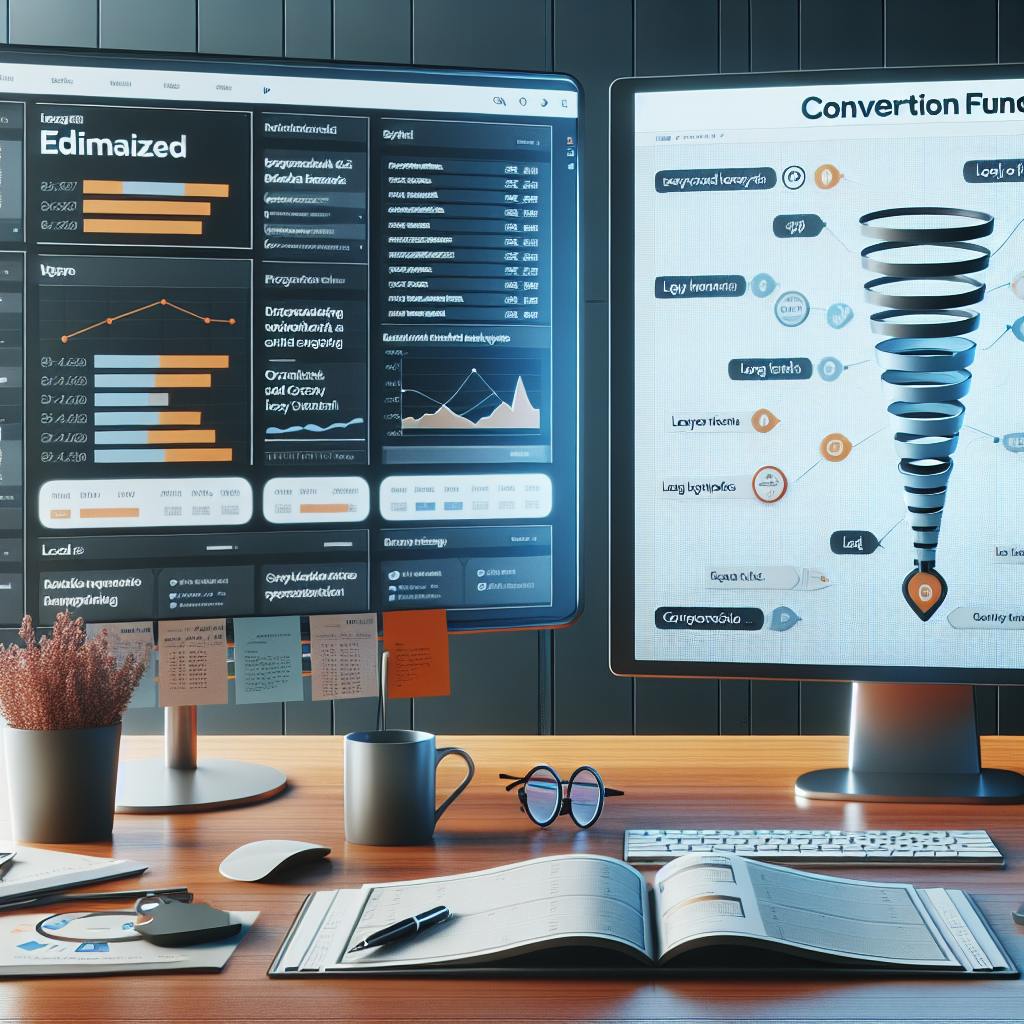
Automated SEO tools are like having a personal assistant who never sleeps. They collect and analyze data faster than you can say Google Analytics. Imagine a boutique hotel struggling to understand why their website traffic isn’t converting into bookings. By integrating automated SEO analytics, they can pinpoint exactly where potential guests are dropping off in their booking process, allowing them to make informed adjustments.
Real-Time Data Insights
One of the most significant advantages of automated SEO is real-time data insights. This means you don’t have to wait until the end of the month to discover that your latest blog post about eco-friendly travel tips is actually driving traffic from people searching for how to travel on a budget. Automated tools provide instant feedback on which keywords are performing well and which ones are duds.
Key takeaway: Real-time analytics empower marketers to make data-driven decisions instantly.
Customizable Dashboards for Better Clarity
Data overload is a term that gets thrown around often, but with automated SEO, you can customize your dashboards to highlight metrics that matter most to your business. A local gym might want to track member sign-ups linked directly from their blog content about fitness tips. With automation, they can set up alerts for when specific goals are met or missed—no more sifting through endless spreadsheets!
- Conversion rates from organic traffic
- Bounce rates on key landing pages
- Engagement metrics for blog posts
Predictive Analytics: The Crystal Ball of SEO
What’s next? That’s the million-dollar question in marketing. Predictive analytics powered by automated SEO tools can help answer it by forecasting trends based on historical data. For instance, an online clothing retailer could use predictive models to anticipate which styles will be popular next season based on current search trends and social media buzz.
Predictive analytics not only save time but also guide strategic planning.
Just imagine if our boutique hotel could predict peak booking times based on past trends—talk about being ahead of the game! With this level of insight, businesses can adjust marketing strategies proactively instead of reactively.
In conclusion, leveraging automated SEO for performance tracking not only simplifies the process but also enhances accuracy in decision-making. So ask yourself: Are you ready to ditch those outdated manual methods and embrace automation?
You know that feeling when you send out a perfectly crafted email campaign, only to find out later that it flopped harder than a pancake on a Sunday morning? Yeah, the struggle is real. For businesses aiming to improve their online presence, performance tracking is no longer just a nice-to-have; it's essential. Enter automated SEO—your new best friend in the world of analytics.
Automated SEO tools are like having a personal assistant who never sleeps. They collect and analyze data faster than you can say Google Analytics. Imagine a boutique hotel struggling to understand why their website traffic isn’t converting into bookings. By integrating automated SEO analytics, they can pinpoint exactly where potential guests are dropping off in their booking process, allowing them to make informed adjustments.
Real-Time Data Insights
One of the most significant advantages of automated SEO is real-time data insights. This means you don’t have to wait until the end of the month to discover that your latest blog post about eco-friendly travel tips is actually driving traffic from people searching for how to travel on a budget. Automated tools provide instant feedback on which keywords are performing well and which ones are duds.
Key takeaway: Real-time analytics empower marketers to make data-driven decisions instantly.
Customizable Dashboards for Better Clarity
Data overload is a term that gets thrown around often, but with automated SEO, you can customize your dashboards to highlight metrics that matter most to your business. A local gym might want to track member sign-ups linked directly from their blog content about fitness tips. With automation, they can set up alerts for when specific goals are met or missed—no more sifting through endless spreadsheets!
- Conversion rates from organic traffic
- Bounce rates on key landing pages
- Engagement metrics for blog posts
Predictive Analytics: The Crystal Ball of SEO
What’s next? That’s the million-dollar question in marketing. Predictive analytics powered by automated SEO tools can help answer it by forecasting trends based on historical data. For instance, an online clothing retailer could use predictive models to anticipate which styles will be popular next season based on current search trends and social media buzz.
Predictive analytics not only save time but also guide strategic planning.
Just imagine if our boutique hotel could predict peak booking times based on past trends—talk about being ahead of the game! With this level of insight, businesses can adjust marketing strategies proactively instead of reactively.
In conclusion, leveraging automated SEO for performance tracking not only simplifies the process but also enhances accuracy in decision-making. So ask yourself: Are you ready to ditch those outdated manual methods and embrace automation?
Challenges and Limitations of Automated SEO Solutions
Automated SEO sounds like the holy grail of digital marketing, but it’s not all sunshine and rainbows. In fact, relying solely on automated solutions can sometimes feel like putting your faith in a robot that’s still figuring out how to walk—awkward and prone to mishaps.
Consider this: a mid-sized travel agency decided to fully automate their SEO strategy, trusting a popular tool to handle everything from keyword selection to content generation. Initially, they saw a spike in traffic, but within months, their rankings plummeted as they failed to adapt to algorithm changes that the tool didn’t catch. The result? A costly lesson in the limits of automation.
Over-Reliance on Automation
Here’s where things get tricky. Automated SEO tools are fantastic for crunching numbers and generating data-driven insights, but they lack the human touch. Keyword suggestions may be based on algorithms that don’t account for nuances in your specific industry or audience preferences. Imagine a local restaurant relying on generic keywords like best pizza without considering local slang or seasonal specialties—it’s like serving plain pasta at an Italian feast!
- Generic keyword suggestions can miss local relevance.
- Automated content may lack emotional resonance.
- Tools can't replicate human creativity and storytelling.
Important takeaway: Automation should complement human creativity, not replace it.
Data Overload Without Context
Too much information is an understatement when it comes to automated SEO analytics. While having access to mountains of data is great, it can quickly become overwhelming without context. A small online retailer might receive countless metrics about their traffic sources, bounce rates, and user behavior—but what do those numbers actually mean for their business?
The metrics can be misleading; for instance, high traffic doesn’t always equate to conversions. If your bounce rate is sky-high because users aren’t finding what they expected, it’s time for some introspection—not just more data collection.
- High traffic doesn’t guarantee sales.
- Low engagement could indicate irrelevant content.
- Data without insights leads to confusion.
Algorithm Changes: The Unpredictable Beast
For example: When Google rolled out its core update focusing on E-A-T (Expertise, Authoritativeness, Trustworthiness), many businesses that relied solely on automated content generation found themselves scrambling as their rankings dropped overnight—because the AI-driven content lacked genuine authority.
Important takeaway: Stay informed about algorithm changes and be ready to pivot your strategy.
In summary, while automated SEO offers incredible efficiencies and insights, it's essential to recognize its limitations. Embrace these tools as allies rather than crutches; keep your finger on the pulse of changes in both technology and consumer behavior. So ask yourself: how will you blend automation with personal touch in your next campaign?
Automated SEO sounds like the holy grail of digital marketing, but it’s not all sunshine and rainbows. In fact, relying solely on automated solutions can sometimes feel like putting your faith in a robot that’s still figuring out how to walk—awkward and prone to mishaps.
Consider this: a mid-sized travel agency decided to fully automate their SEO strategy, trusting a popular tool to handle everything from keyword selection to content generation. Initially, they saw a spike in traffic, but within months, their rankings plummeted as they failed to adapt to algorithm changes that the tool didn’t catch. The result? A costly lesson in the limits of automation.
Over-Reliance on Automation
Here’s where things get tricky. Automated SEO tools are fantastic for crunching numbers and generating data-driven insights, but they lack the human touch. Keyword suggestions may be based on algorithms that don’t account for nuances in your specific industry or audience preferences. Imagine a local restaurant relying on generic keywords like best pizza without considering local slang or seasonal specialties—it’s like serving plain pasta at an Italian feast!
- Generic keyword suggestions can miss local relevance.
- Automated content may lack emotional resonance.
- Tools can't replicate human creativity and storytelling.
Important takeaway: Automation should complement human creativity, not replace it.
Data Overload Without Context
Too much information is an understatement when it comes to automated SEO analytics. While having access to mountains of data is great, it can quickly become overwhelming without context. A small online retailer might receive countless metrics about their traffic sources, bounce rates, and user behavior—but what do those numbers actually mean for their business?
The metrics can be misleading; for instance, high traffic doesn’t always equate to conversions. If your bounce rate is sky-high because users aren’t finding what they expected, it’s time for some introspection—not just more data collection.
- High traffic doesn’t guarantee sales.
- Low engagement could indicate irrelevant content.
- Data without insights leads to confusion.
Algorithm Changes: The Unpredictable Beast
For example: When Google rolled out its core update focusing on E-A-T (Expertise, Authoritativeness, Trustworthiness), many businesses that relied solely on automated content generation found themselves scrambling as their rankings dropped overnight—because the AI-driven content lacked genuine authority.
Important takeaway: Stay informed about algorithm changes and be ready to pivot your strategy.
In summary, while automated SEO offers incredible efficiencies and insights, it's essential to recognize its limitations. Embrace these tools as allies rather than crutches; keep your finger on the pulse of changes in both technology and consumer behavior. So ask yourself: how will you blend automation with personal touch in your next campaign?
Future Trends: The Next Frontier in Automated SEO
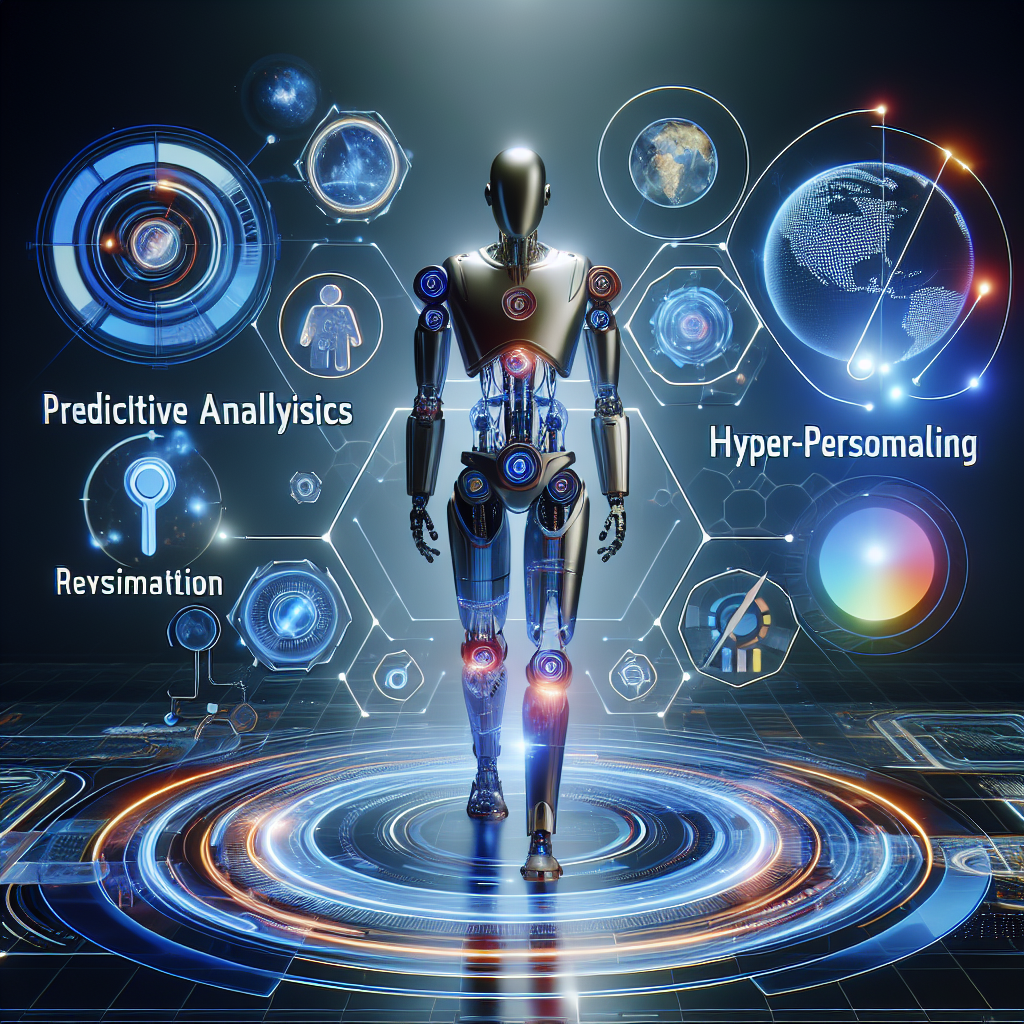
Imagine a world where your SEO strategy anticipates search engine algorithm changes before they even happen. Sounds like science fiction, right? Well, buckle up, because automated SEO is hurtling toward a future where predictive analytics and machine learning are not just buzzwords—they're game changers.
According to a recent report by Gartner, by 2025, over 80% of marketing organizations will use AI for customer interactions. This means that businesses that fail to adopt automated SEO tools risk being left behind in the digital dust. If you think you're ahead of the curve now, just wait until your competitors start leveraging these advanced technologies!
The Rise of Predictive SEO
Predictive SEO is set to revolutionize how businesses approach their strategies. Imagine an e-commerce store that sells eco-friendly products—using AI-driven tools, they can analyze past search trends and predict which products will surge in popularity as seasons change. By preparing their content and inventory ahead of time, they can capitalize on emerging trends before anyone else even realizes they're happening.
Key takeaway: Predictive analytics enables proactive content strategies that align with consumer behavior shifts.
Hyper-Personalization Through Automation
As consumers increasingly expect tailored experiences, automated SEO is evolving to deliver hyper-personalized content. Picture a local café that uses automated tools to analyze customer preferences from previous visits—this café could send personalized recommendations via email or app notifications based on individual tastes and seasonal offerings. By creating a unique experience for each customer, they can boost engagement and foster loyalty like never before.
- Dynamic content recommendations based on user behavior.
- Localized marketing strategies powered by data insights.
- Automated follow-ups for customer retention.
Voice Search Optimization Takes Center Stage
'Hey Siri, what's the best vegan taco recipe?' With voice search becoming a staple in everyday life, automated SEO needs to adapt accordingly. Businesses must optimize their content for conversational queries rather than just traditional keyword phrases. This shift opens up new avenues for reaching customers as they seek quick answers through voice-activated devices.
Voice search optimization will require businesses to rethink their keyword strategies for natural language processing.
The landscape of automated SEO is evolving rapidly. As we look ahead, embracing these trends will be crucial for marketers aiming to stay competitive. So ask yourself: how can you leverage these advancements to enhance your own strategy today?
Imagine a world where your SEO strategy anticipates search engine algorithm changes before they even happen. Sounds like science fiction, right? Well, buckle up, because automated SEO is hurtling toward a future where predictive analytics and machine learning are not just buzzwords—they're game changers.
According to a recent report by Gartner, by 2025, over 80% of marketing organizations will use AI for customer interactions. This means that businesses that fail to adopt automated SEO tools risk being left behind in the digital dust. If you think you're ahead of the curve now, just wait until your competitors start leveraging these advanced technologies!
The Rise of Predictive SEO
Predictive SEO is set to revolutionize how businesses approach their strategies. Imagine an e-commerce store that sells eco-friendly products—using AI-driven tools, they can analyze past search trends and predict which products will surge in popularity as seasons change. By preparing their content and inventory ahead of time, they can capitalize on emerging trends before anyone else even realizes they're happening.
Key takeaway: Predictive analytics enables proactive content strategies that align with consumer behavior shifts.
Hyper-Personalization Through Automation
As consumers increasingly expect tailored experiences, automated SEO is evolving to deliver hyper-personalized content. Picture a local café that uses automated tools to analyze customer preferences from previous visits—this café could send personalized recommendations via email or app notifications based on individual tastes and seasonal offerings. By creating a unique experience for each customer, they can boost engagement and foster loyalty like never before.
- Dynamic content recommendations based on user behavior.
- Localized marketing strategies powered by data insights.
- Automated follow-ups for customer retention.
Voice Search Optimization Takes Center Stage
'Hey Siri, what's the best vegan taco recipe?' With voice search becoming a staple in everyday life, automated SEO needs to adapt accordingly. Businesses must optimize their content for conversational queries rather than just traditional keyword phrases. This shift opens up new avenues for reaching customers as they seek quick answers through voice-activated devices.
Voice search optimization will require businesses to rethink their keyword strategies for natural language processing.
The landscape of automated SEO is evolving rapidly. As we look ahead, embracing these trends will be crucial for marketers aiming to stay competitive. So ask yourself: how can you leverage these advancements to enhance your own strategy today?
{
“@context”: “https://schema.org”,
“@graph”: [
{
“@type”: “BlogPosting”,
“headline”: “Automated SEO: AI’s Impact on Optimization”,
“description”: “Discover how automated SEO is transforming search engine optimization with AI. Learn the latest trends and tools at Magicblogs.ai.”,
“author”: {
“@type”: “Person”,
“name”: “Elisa”
},
“publisher”: {
“@type”: “Organization”,
“name”: “Magicblogs”,
“url”: “https://magicblogs.ai”
},
“mainEntityOfPage”: {
“@type”: “WebPage”,
“@id”: “https://magicblogs.ai/automated-seo-ai-revolution”
},
“url”: “https://magicblogs.ai/automated-seo-ai-revolution”,
“datePublished”: “”,
“dateModified”: “”,
“image”: {
“@type”: “ImageObject”,
“url”: “”
}
},
{
“@type”: “FAQPage”,
“@id”: “#faq”,
“mainEntity”: [
{
“@type”: “Question”,
“name”: “What is automated SEO?”,
“acceptedAnswer”: {
“@type”: “Answer”,
“text”: “
Automated SEO refers to the use of software tools powered by AI to streamline and enhance search engine optimization processes, such as keyword research, content creation, and link building.
”
}
},
{
“@type”: “Question”,
“name”: “How does AI impact SEO strategies?”,
“acceptedAnswer”: {
“@type”: “:Answer”,
“:text” : “
AI impacts SEO strategies by providing data-driven insights that allow marketers to optimize content more efficiently, predict trends, personalize user experiences, and improve performance tracking.
”
}
}
]
},
{
“@type” : “:SpeakableSpecification” ,
“:cssSelector” : [
“:h1”,
“:h2”,
“.highlight”
]
}
]
}article blockquote,article ol li,article p,article ul li{font-family:inherit;font-size:18px}.featuredimage{height:300px;overflow:hidden;position:relative;margin-top:20px;margin-bottom:20px}.featuredimage img{width:100%;height:100%;top:50%;left:50%;object-fit:cover;position:absolute;transform:translate(-50%,-50%)}article p{line-height:30px}article ol li,article ul li{line-height:30px;margin-bottom:15px}article blockquote{border-left:4px solid #ccc;font-style:italic;background-color:#f8f9fa;padding:20px;border-radius:5px;margin:15px 10px}article div.info-box{background-color:#fff9db;padding:20px;border-radius:5px;margin:15px 0;border:1px solid #efe496}article table{margin:15px 0;padding:10px;border:1px solid #ccc}article div.info-box p{margin-bottom:0;margin-top:0}article span.highlight{background-color:#f8f9fb;padding:2px 5px;border-radius:5px}article div.info-box span.highlight{background:0 0!important;padding:0;border-radius:0}article img{max-width:100%;margin:20px 0}