If your rankings move but visitors do not, this guide will cut through the noise and focus on the metrics that actually drive seo search traffic. You will get a clear priority list of Search Console and GA4 signals, a practical diagnostic framework to find why pages underperform, and concrete on-page, technical, and outreach tactics to increase organic sessions and conversions. It also lays out realistic timelines for experiments and how to scale content responsibly with Magicblogs.ai without creating low-value pages.
1. Map business objectives to the metrics that matter
Start with the business outcome, not average position. If your goal is revenue, impressions are noise until they turn into sessions and conversions. If your goal is brand awareness, clicks and impressions matter more than conversion rate. Pick the metric that directly ties to the next business decision you will make.
Assign one primary KPI per content type
You cannot optimize every page the same way. Primary KPIs should follow content intent: brand and informational pieces should prioritize impressions and CTR; product and landing pages should prioritize organic sessions and goal completions. Use secondary metrics to diagnose problems – CTR for snippet performance, engagement metrics for on-site relevance, and backlink signals for authority.
- Informational / Top of funnel: impressions and CTR from
Search Consoleto measure reach and discoverability. Use organic sessions as a secondary metric to see whether clicks drive visits. - Commercial / Product pages: organic sessions and conversions in GA4 as the primary KPI, with pages per session and add-to-cart rate as secondaries.
- Lead generation / SaaS: primary KPI is demo requests or form completions; micro-conversions like engaged time or event completions are meaningful secondaries.
Practical tradeoff: optimizing for impressions or broad keywords increases potential reach but raises the risk of low-intent traffic and poor conversion rates. Narrow, intent-focused keyword work reduces volume but typically raises revenue per visitor. Choose volume or intent deliberately, not by habit.
Concrete example: a mid-market SaaS product converted its blog strategy from broad educational topics to commercial intent content targeting feature terms. The team set demo signups per landing page as the primary KPI, tracked clicks in Search Console and conversions in GA4, and cut publishing of low-intent pieces that drew traffic but no leads. Within three months the blog drove a higher lead-to-demo ratio even though overall sessions fell.
A common misjudgment: many teams obsess over average position because it feels measurable. In practice, position is an incomplete proxy for value. A page at position 8 can outperform position 3 if it has a better title, schema, or matches intent. Prioritize click and conversion signals over raw rank.
Define 1 primary KPI and 2 secondary KPIs for every page or template before you publish or optimize.
Search Console or GA4), and the diagnostic secondary metrics to check when performance lags.Frequently Asked Questions
Direct answer up front: treat seo search traffic as two linked systems — what shows up in the SERP and what happens after the click. Use clicks and impressions in Search Console to judge visibility and opportunity, and GA4 sessions and conversions to judge whether that visibility actually delivers value.
Why Search Console and GA4 disagree: they measure different moments. Search Console counts demand on the results page; GA4 counts visits after user behavior and tracking rules. Discrepancies are normal — large gaps usually point to tagging issues, redirected landing pages, or heavy SERP features stealing clicks.
Short, practical answers to common questions
- What single metric matters most: monitor clicks in Search Console plus goal completions in GA4 as a paired signal. Clicks show opportunity; conversions show whether traffic is worth the cost of acquisition.
- Impressions up but no click growth: your snippet probably misaligns with intent or is losing to SERP features. Test metadata that clearly answers the searcher need and highlights unique value.
- How fast will changes show up: expect index and snippet updates in 2–6 weeks; meaningful traffic shifts often take 8–12 weeks for mid-competition queries and longer in crowded verticals.
- Automation risk with tools like Magicblogs.ai: automation speeds production but amplifies mistakes. Guardrails matter — require human edits on intent, E E A T-sensitive topics, and unique examples to avoid creating a bulk of low-value pages.
- What to check first on a sudden drop: verify property-level messages in Search Console, check index coverage, review recent sitemap or canonical changes, and inspect top landing pages for Core Web Vitals regressions via PageSpeed Insights.
Practical limitation: improving CTR with title tag experiments is the fastest lever for more seo search traffic, but it does not fix poor product-market fit or a bad landing experience. You can drive more visitors and lose money if the page cannot convert.
Concrete example: an ecommerce team noticed impressions rising but revenue flatlined. They ran a controlled snippet experiment on 40 product pages, adding shipping details and a clear price callout in titles. Within six weeks average CTR rose 10 percent and revenue-per-click improved because the traffic matched buying intent more closely.
Judgment most teams get wrong: obsessing over average position wastes time. Focus on where impressions convert to clicks and where clicks convert to business outcomes. Invest effort where the funnel leaks, not where the rank number feels bad.
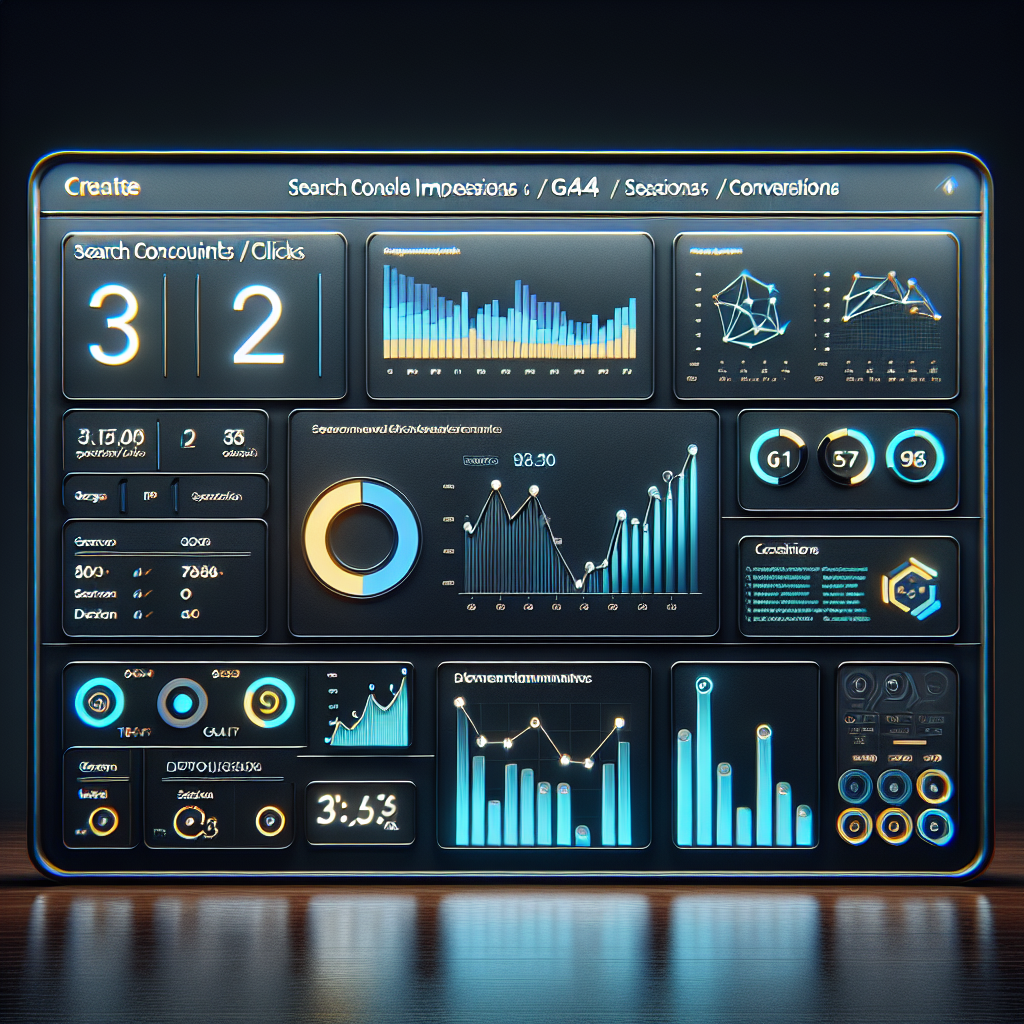
- Next actions: 1) sync Search Console and GA4 into a simple Looker Studio dashboard to watch paired signals, 2) choose five pages with high impressions but low CTR and run title/meta A B tests, 3) set up monitoring for index coverage and Core Web Vitals on those pages.
{
“@context”: “https://schema.org”,
“@type”: “BlogPosting”,
“headline”: “SEO Search Traffic: Key Metrics & Improvement Tips”,
“description”: “Discover essential metrics for SEO search traffic and learn actionable tips to enhance your website’s performance. Boost your SEO strategy today!”,
“author”: {
“@type”: “Person”,
“name”: “Elisa”
},
“publisher”: {
“@type”: “Organization”,
“name”: “Magicblogs”,
“url”: “https://magicblogs.ai”
},
“mainEntityOfPage”: {
“@type”: “WebPage”,
“@id”: “https://magicblogs.ai/understanding-seo-search-traffic-metrics-improve”
},
“url”: “https://magicblogs.ai/understanding-seo-search-traffic-metrics-improve”,
“datePublished”: “”,
“dateModified”: “”,
“speakable”: {
“@type”: “SpeakableSpecification”,
“xpath”: [
“/html/head/title”,
“/html/head/meta[@name=’description’]/@content”
]
}
}
article blockquote,article ol li,article p,article ul li{font-family:inherit;font-size:18px}.featuredimage{height:300px;overflow:hidden;position:relative;margin-top:20px;margin-bottom:20px}.featuredimage img{width:100%;height:100%;top:50%;left:50%;object-fit:cover;position:absolute;transform:translate(-50%,-50%)}article p{line-height:30px}article ol li,article ul li{line-height:30px;margin-bottom:15px}article blockquote{border-left:4px solid #ccc;font-style:italic;background-color:#f8f9fa;padding:20px;border-radius:5px;margin:15px 10px}article div.info-box{background-color:#fff9db;padding:20px;border-radius:5px;margin:15px 0;border:1px solid #efe496}article table{margin:15px 0;padding:10px;border:1px solid #ccc}article div.info-box p{margin-bottom:0;margin-top:0}article span.highlight{background-color:#f8f9fb;padding:2px 5px;border-radius:5px}article div.info-box span.highlight{background:0 0!important;padding:0;border-radius:0}article img{max-width:100%;margin:20px 0}